Sad PFP (Profile Pictures)
Alone by the Sea, Moon & Sky
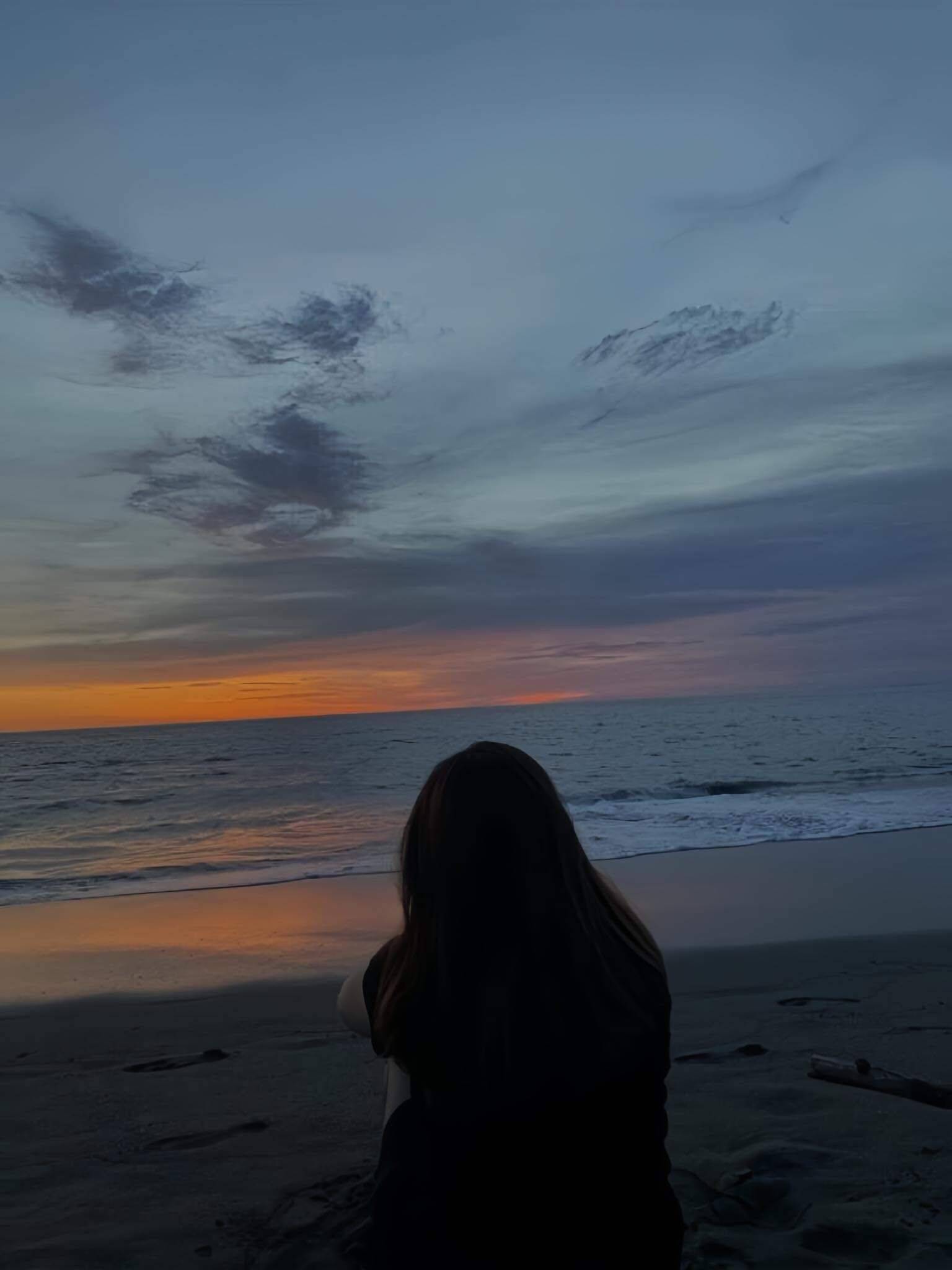
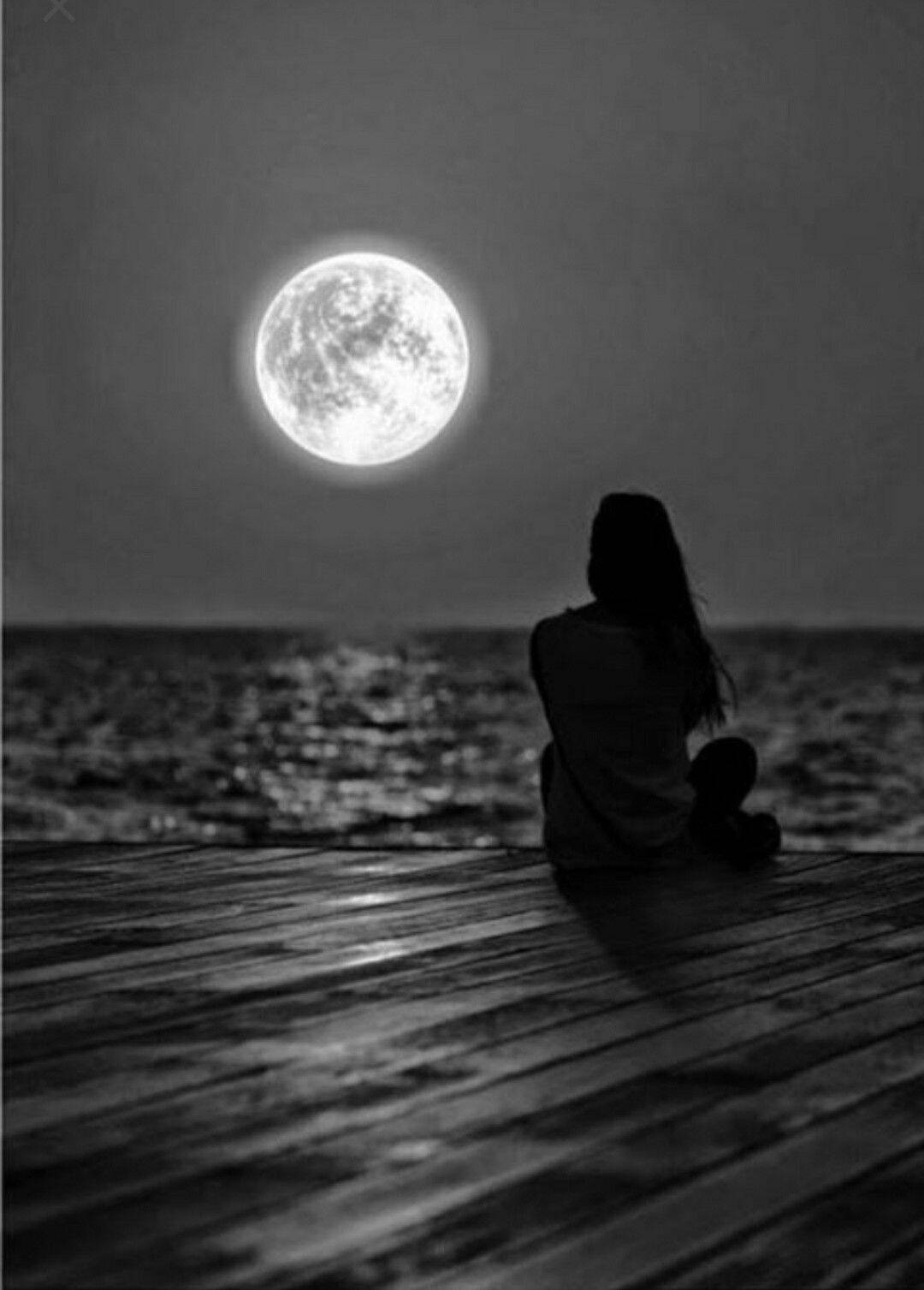
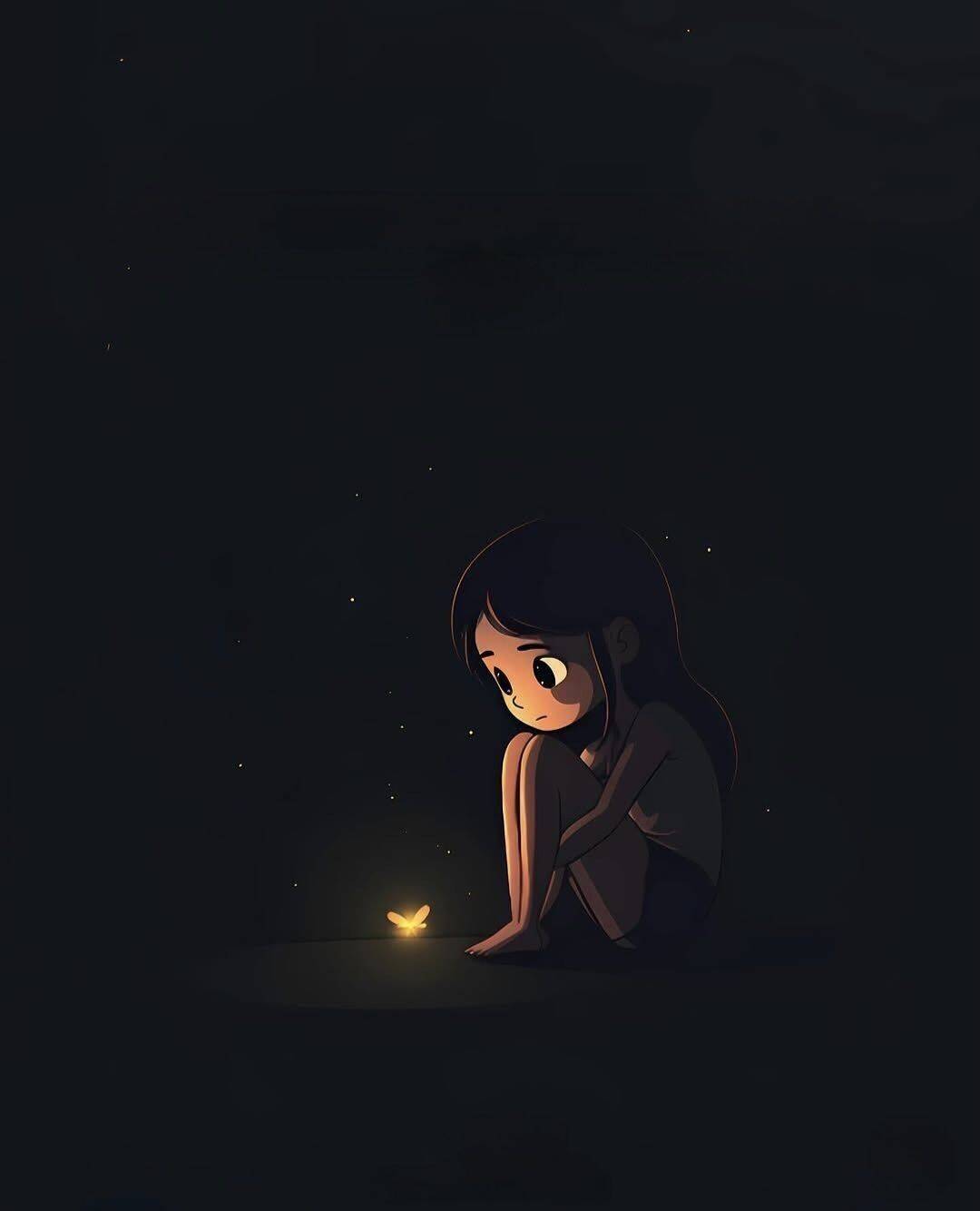
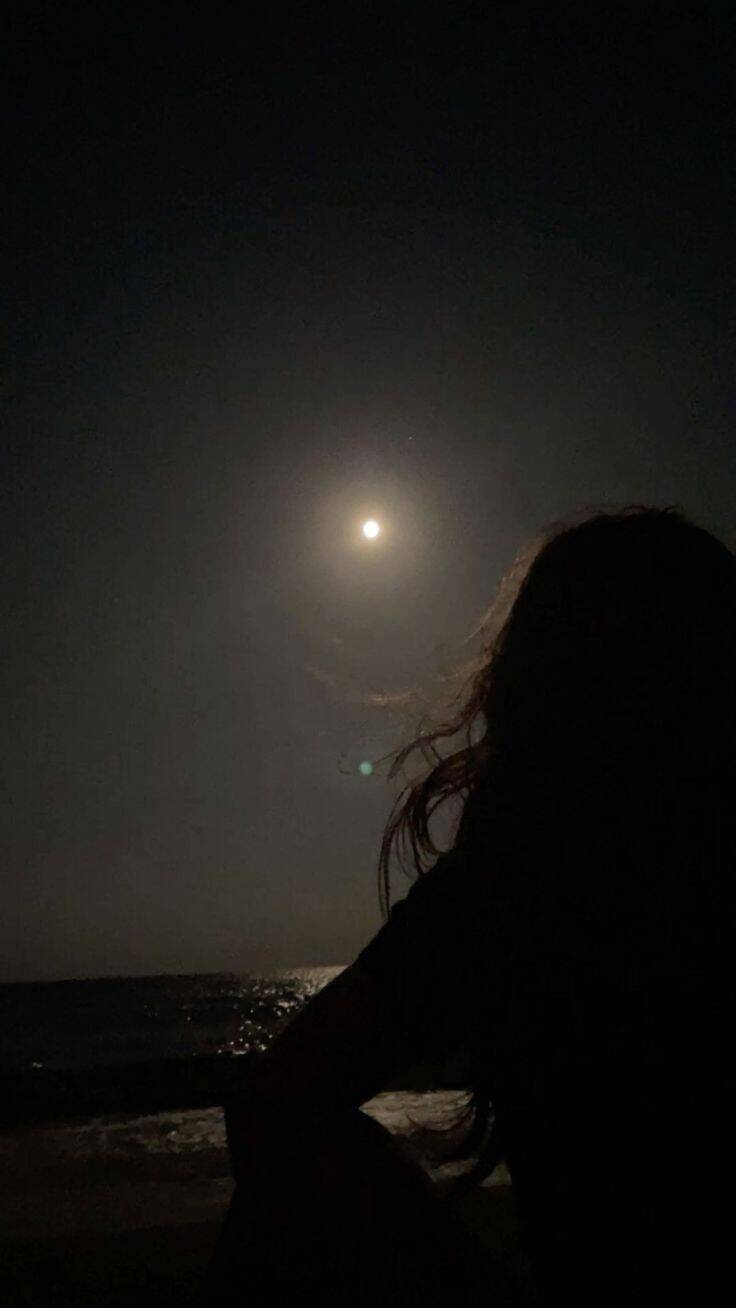
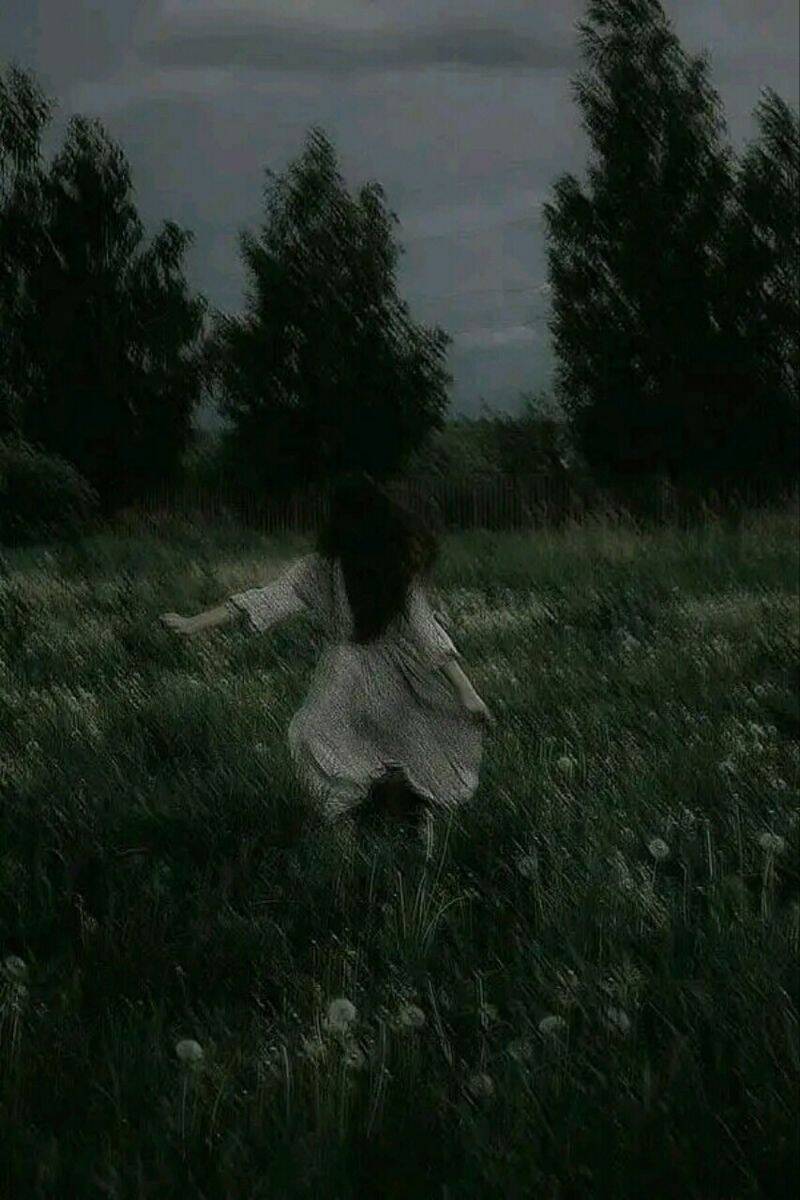
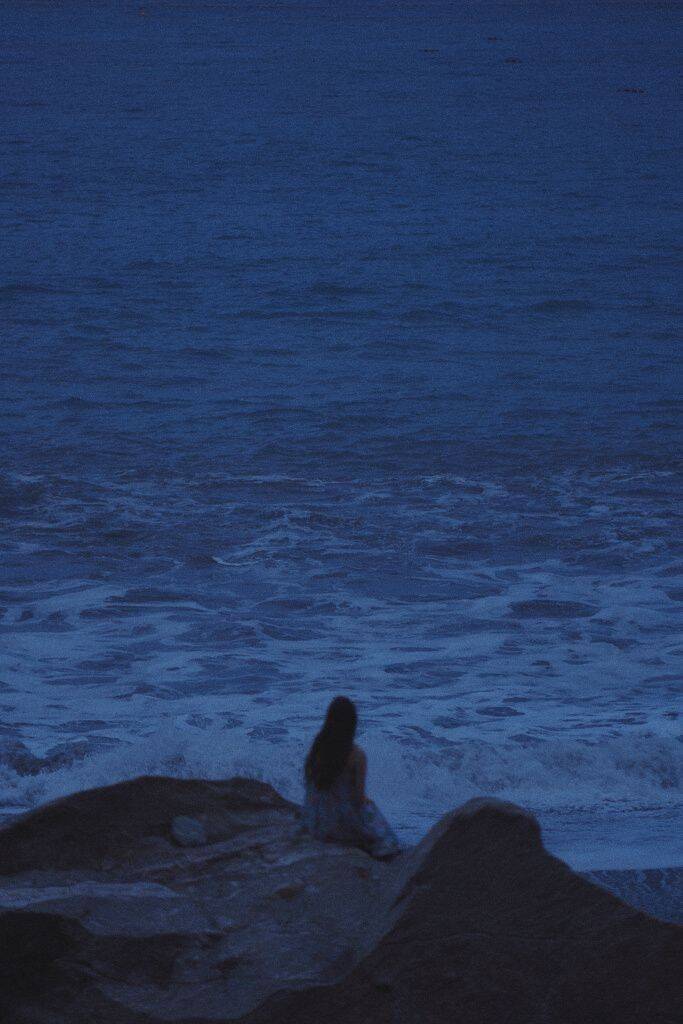
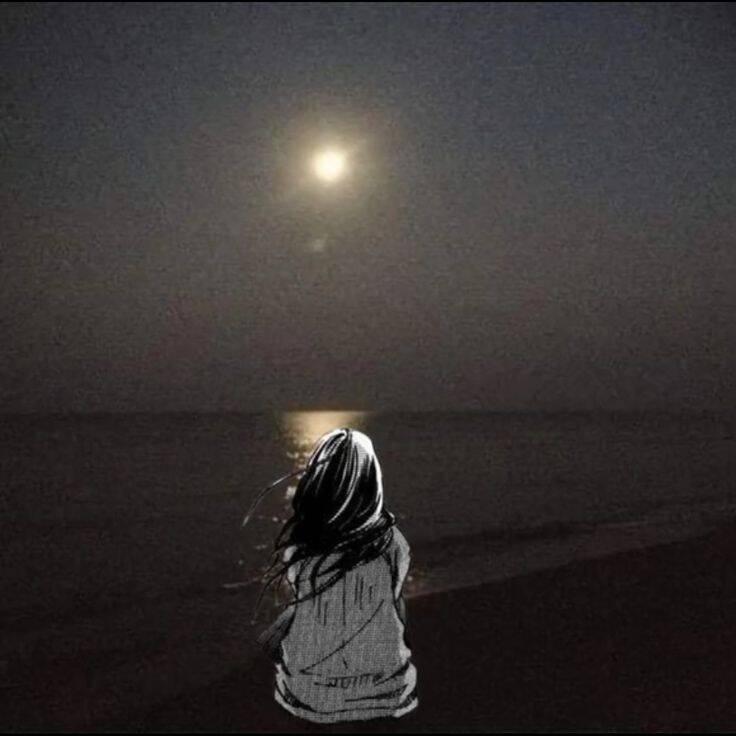
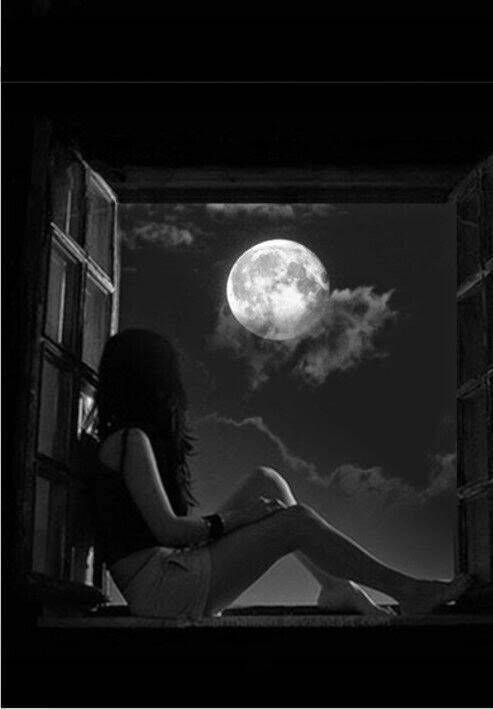
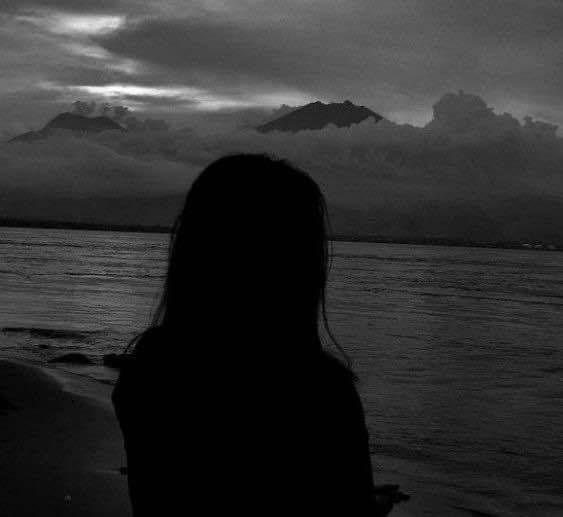
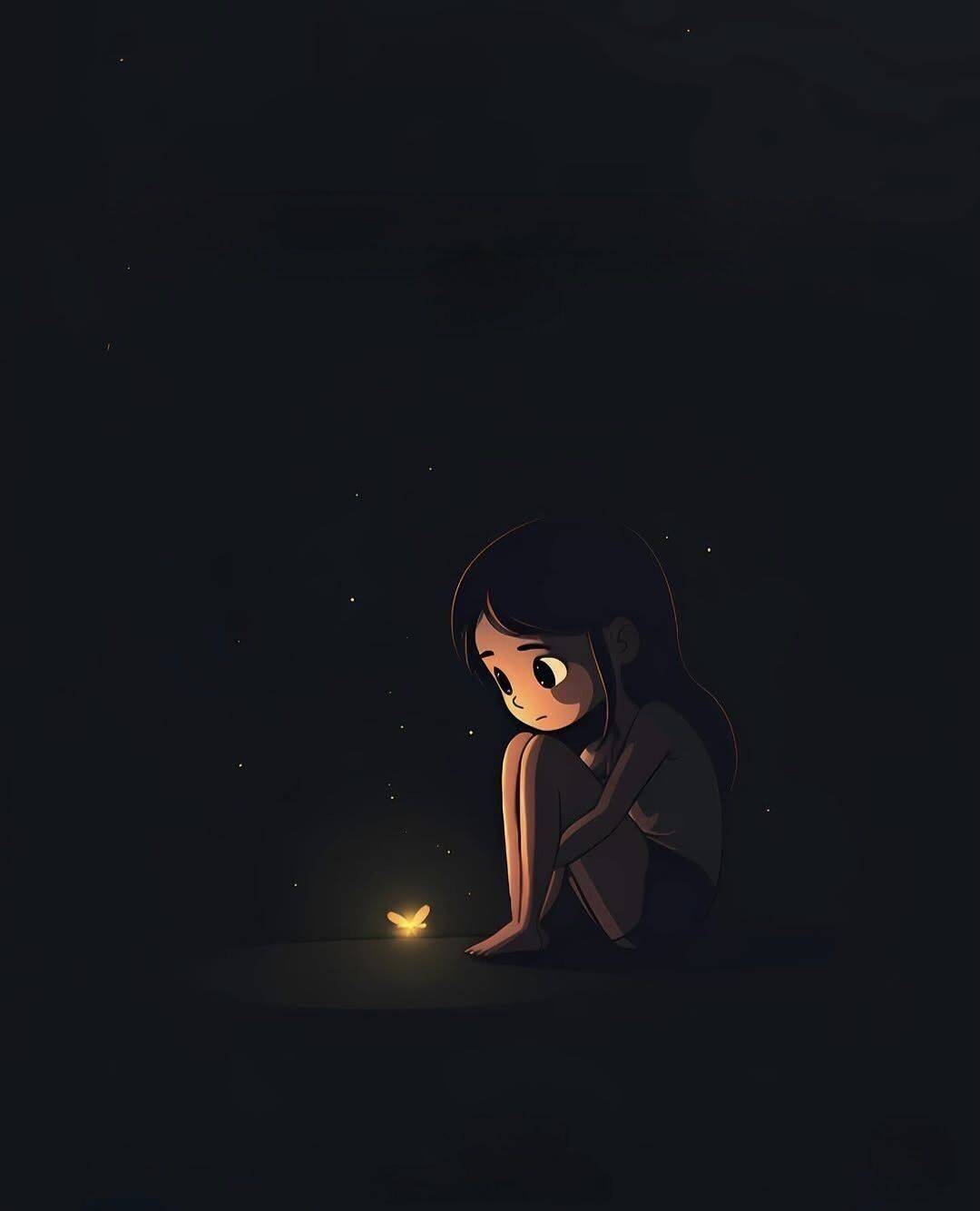
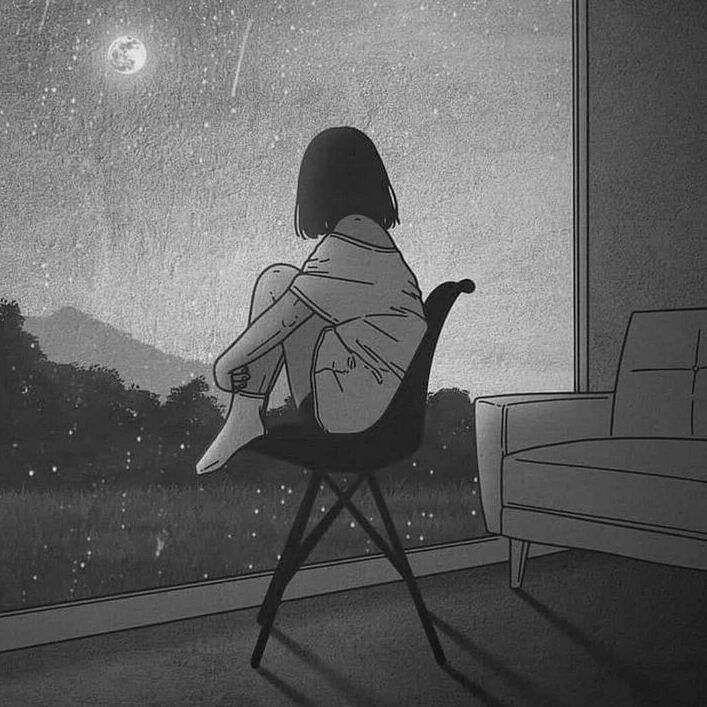
Open, natural settings — the beach at sunset, an empty field, someone looking up at the moon — shift the mood here away from the enclosed, indoor sadness of earlier sections and toward something quieter and more solitary. Scale matters in these images: a small figure against a big sky or open sea reads as reflective rather than distressed. The will-o'-the-wisp light pieces are worth calling out on their own — a small glowing detail against an otherwise dark, empty scene adds a touch of quiet wonder to the sadness, which is a gentler tone than the plain darkness used elsewhere in this collection.

Sad Woman & Girl Aesthetic
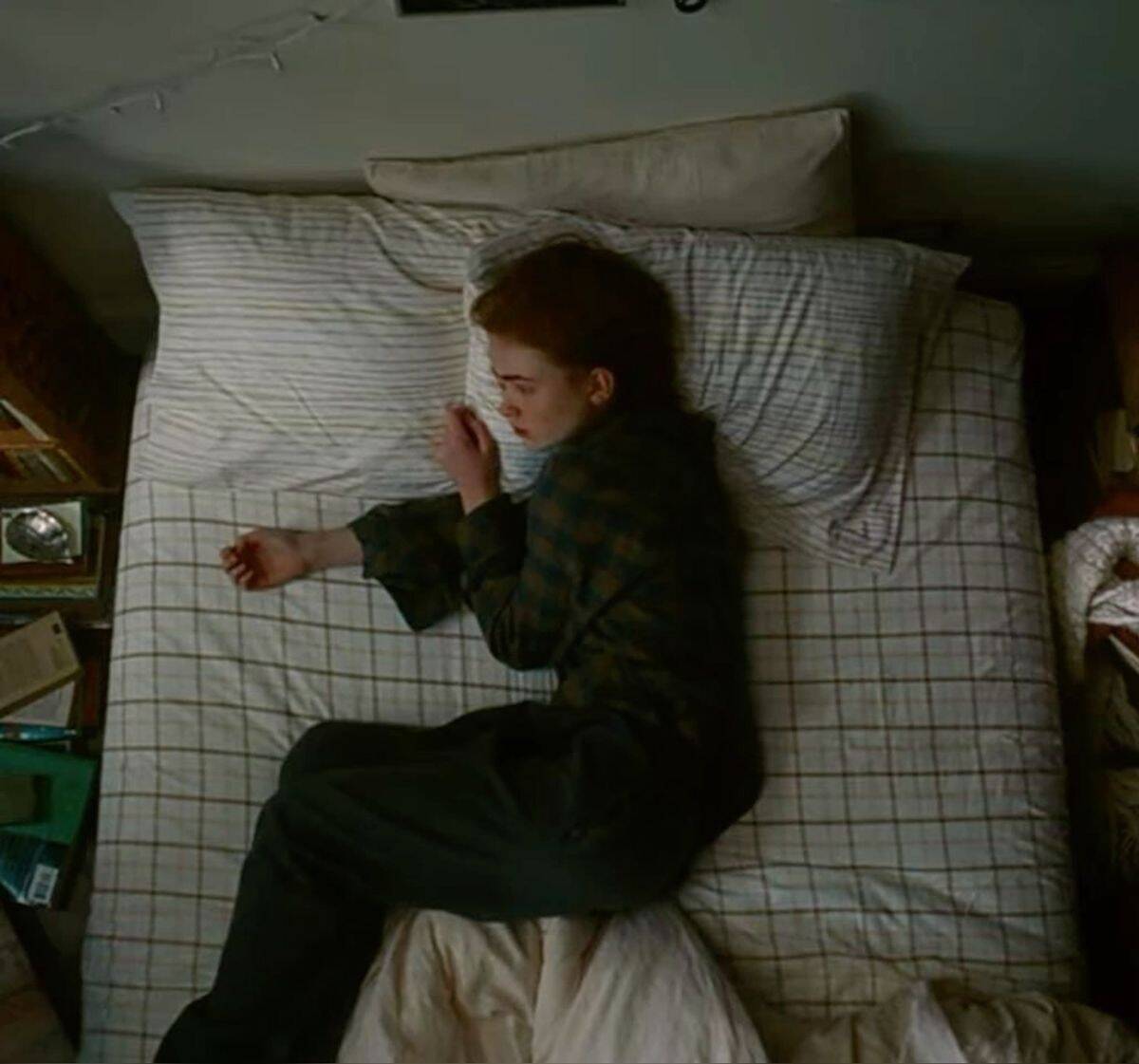
Where the earlier woman-and-girl section leans on posture and setting, this group is built more around the face itself — a distant or empty gaze, a faded look, studying alone at a desk. These read as everyday sadness rather than anything staged, closer to a bad day caught mid-moment than a dramatic scene. Colorful hair paired with a sad expression is worth noting as its own small contrast within this section — a bright, deliberate hair color against a flat or distant expression creates a gap between how someone presents and how they feel, which reads as more layered than a plainly sad face on its own.







Silhouettes, Broken Hearts & Dark Moods
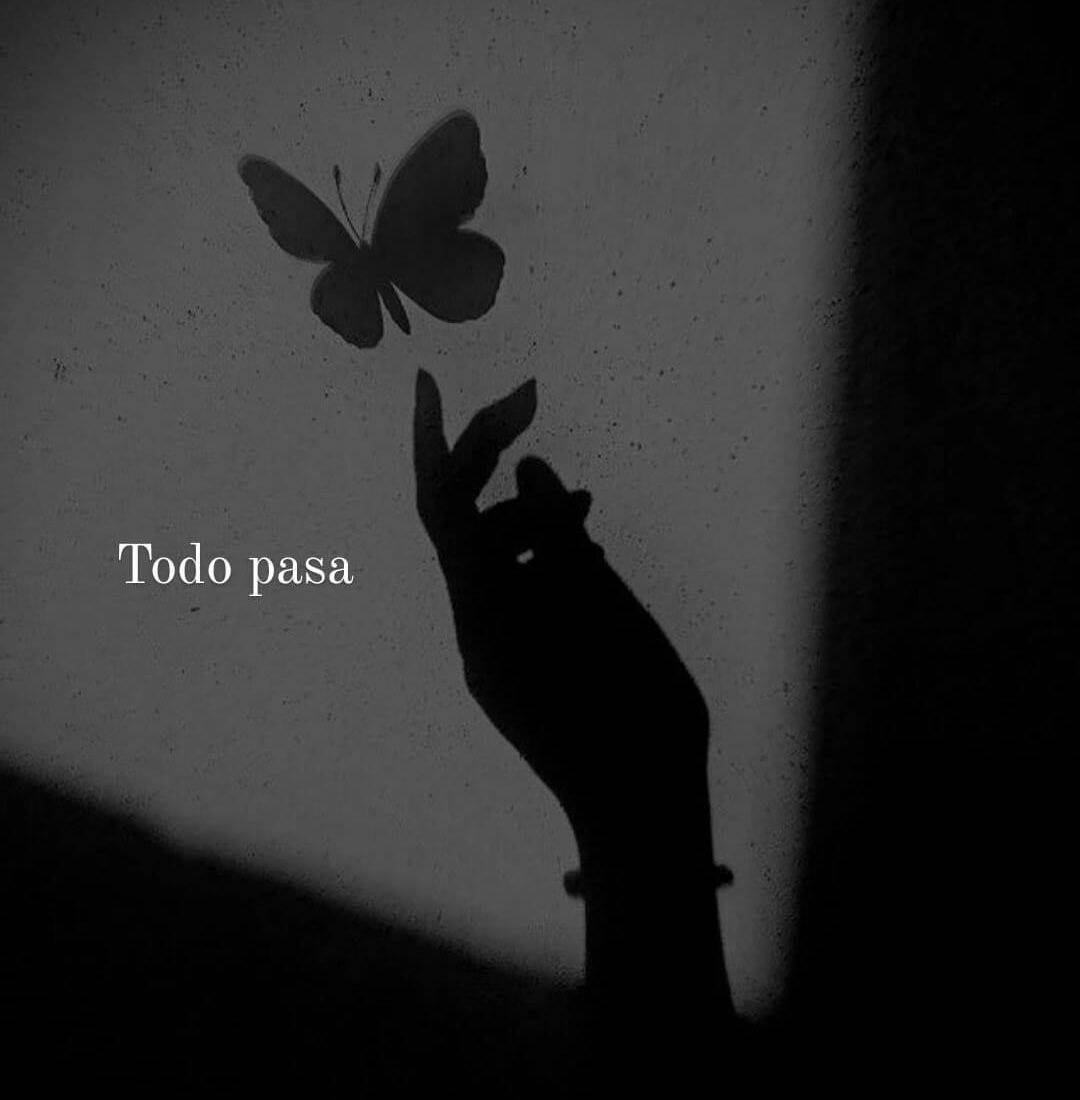
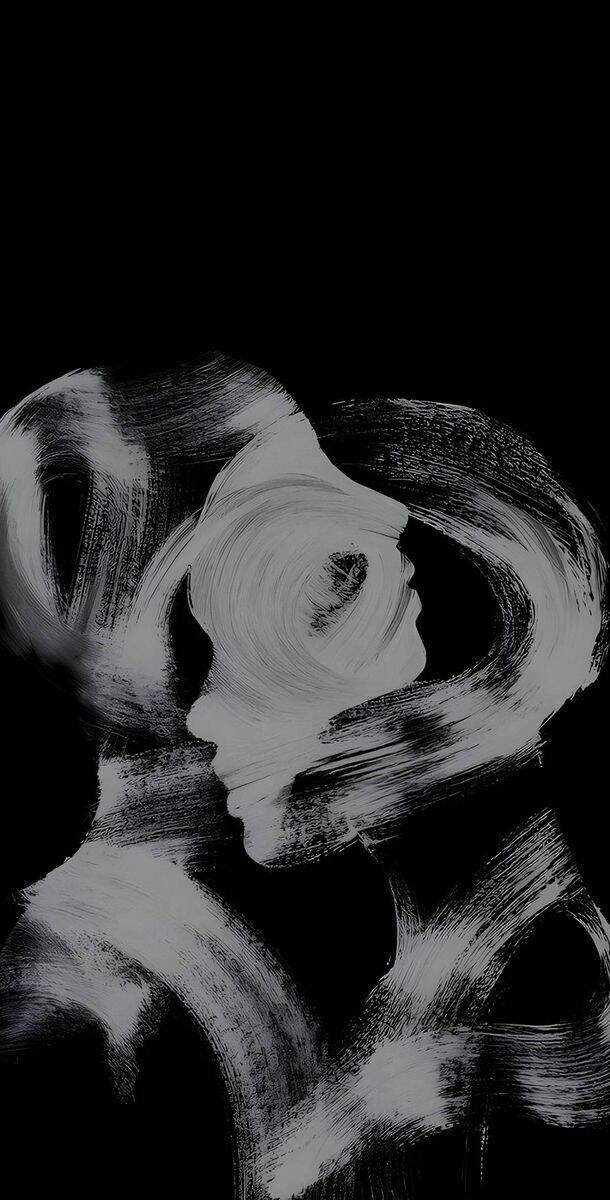
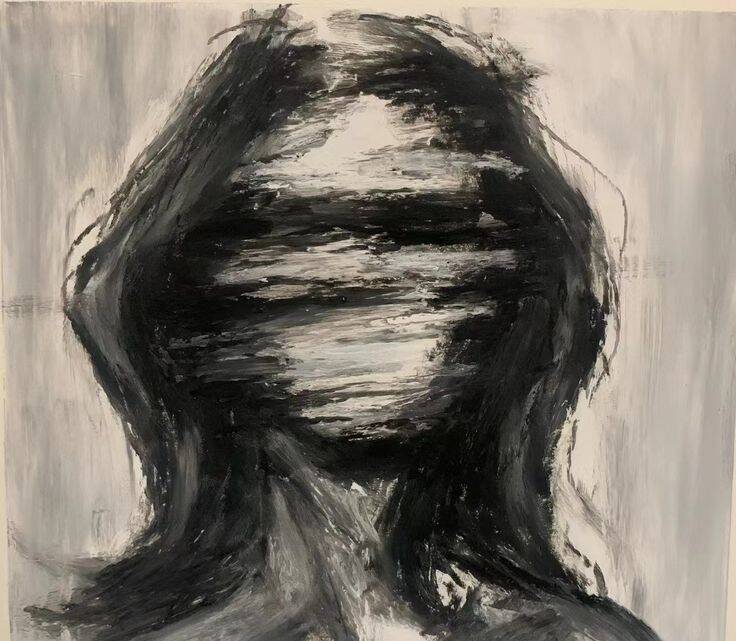
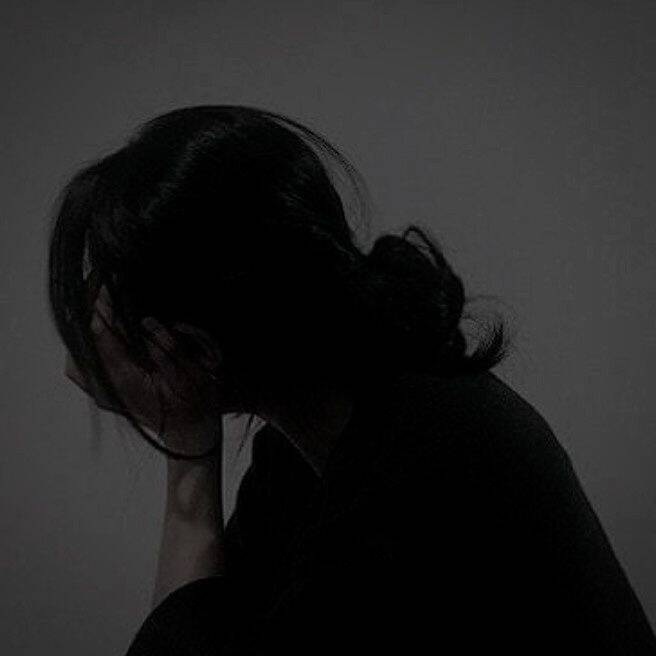
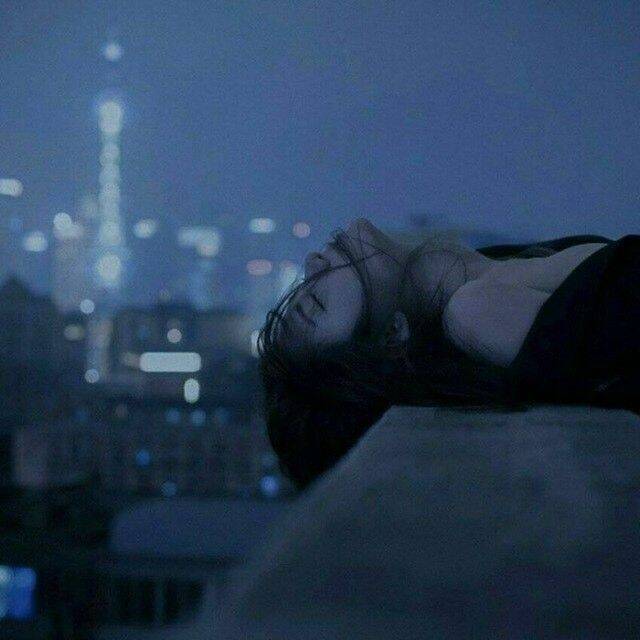
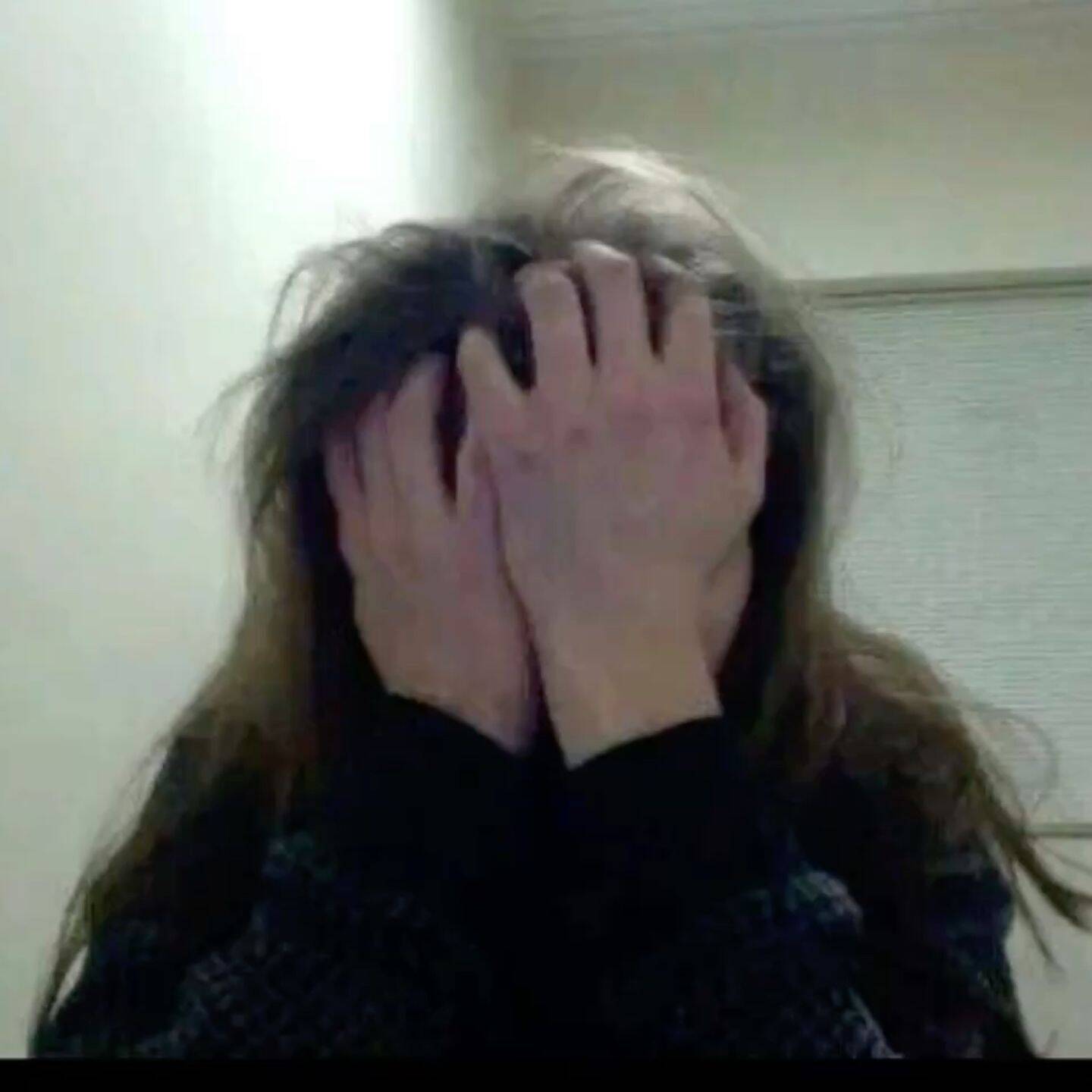
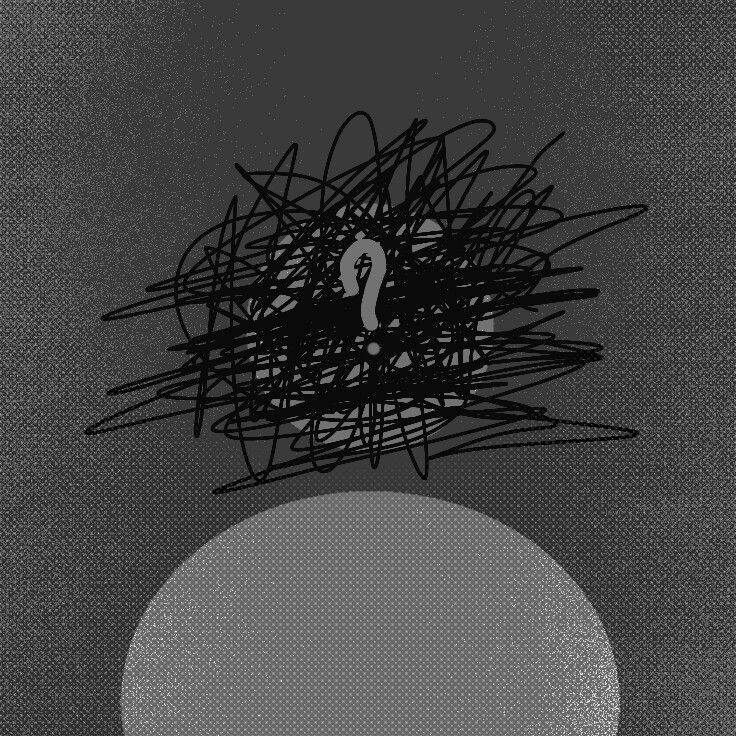
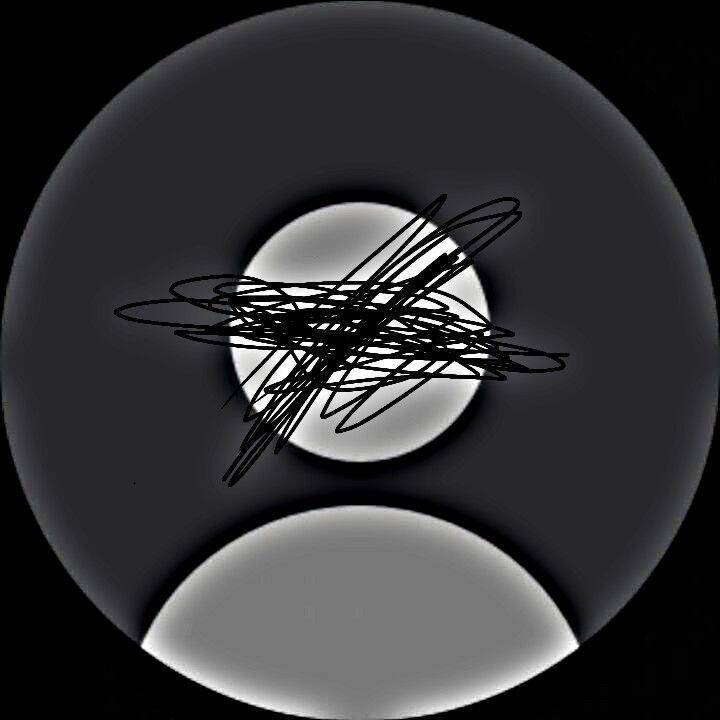
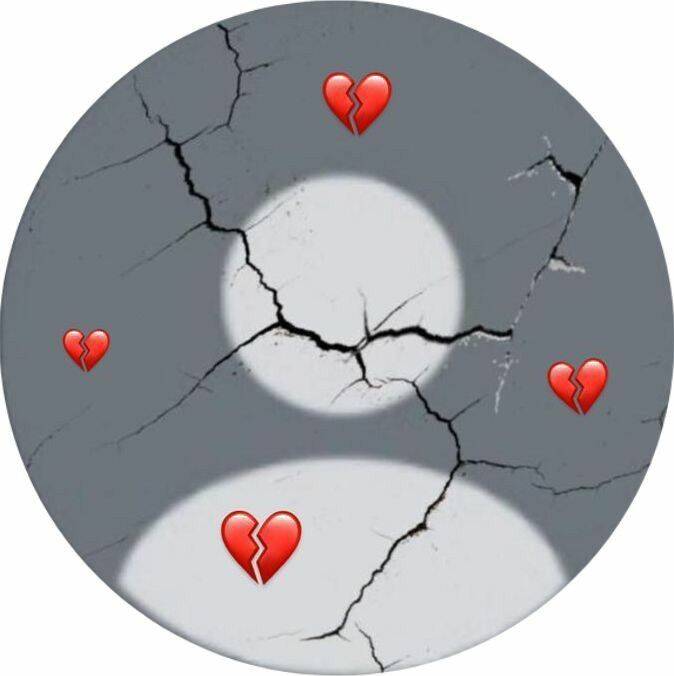
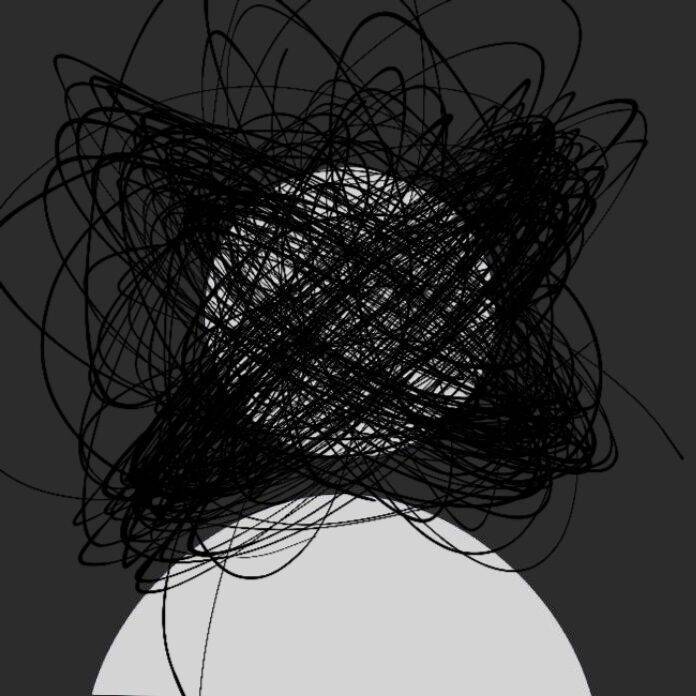
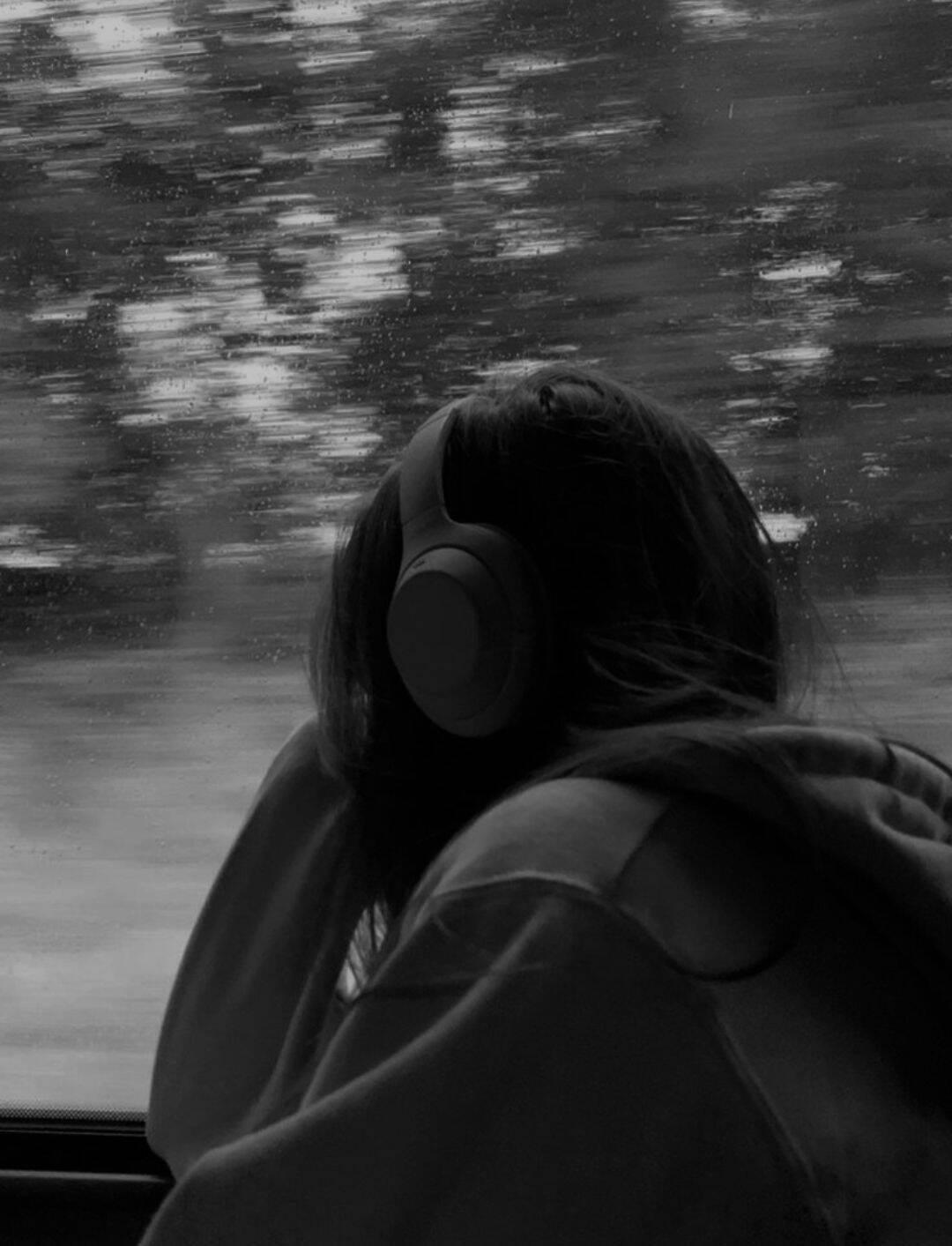
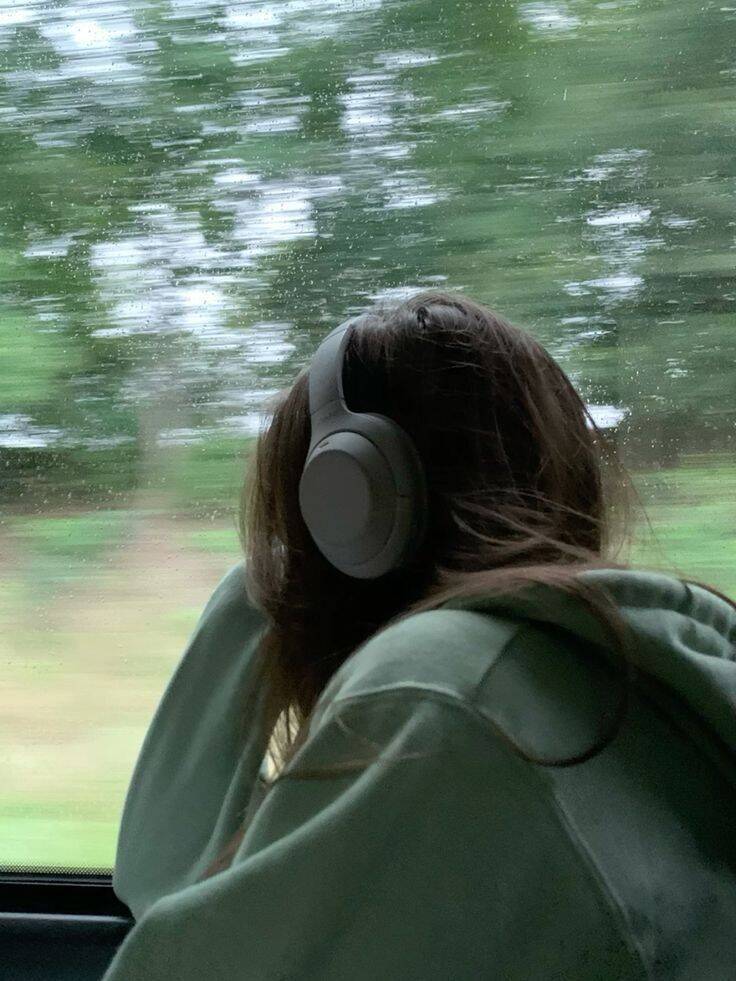
Stripping a figure down to a silhouette removes any specific facial expression entirely, which lets the pose and setting carry the whole mood — a broken heart graphic or a cracked background does the emotional labeling instead, since there's no face left to read. Headphones show up again in this group, but paired with darker or more abstract imagery than the cozier headphones-and-music pfps seen in other niches — here it signals tuning the world out specifically, which is a slightly different idea than simply enjoying music.






Cartoon Characters & Melancholic Moments
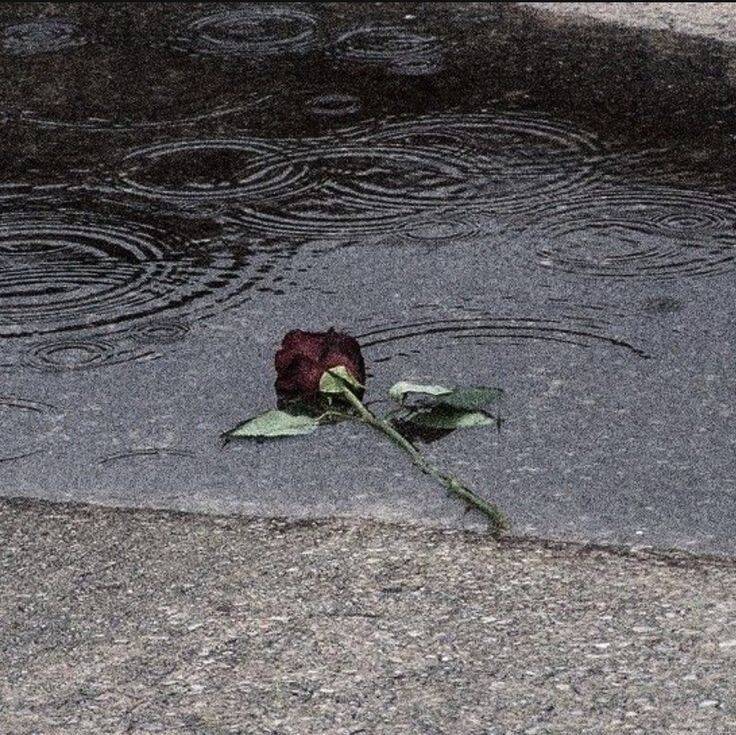
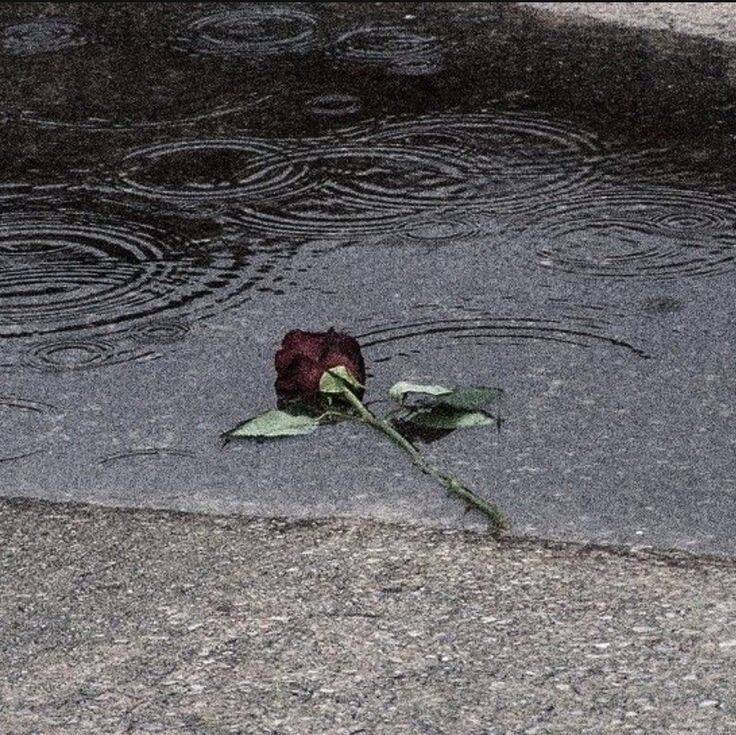
This closing section leans on objects and characters as stand-ins for the mood rather than a face at all — a fallen rose, a doll left alone, a reflection in water. It's a more symbolic approach than the direct expressions used earlier, better suited to someone who wants the mood suggested rather than shown outright. The Rapunzel-with-a-melancholic-smile pieces are a good example of the tone this whole section goes for: a smile that doesn't quite reach genuine happiness reads as more specific and quietly sad than an openly crying image, which fits this section's more understated approach overall.